
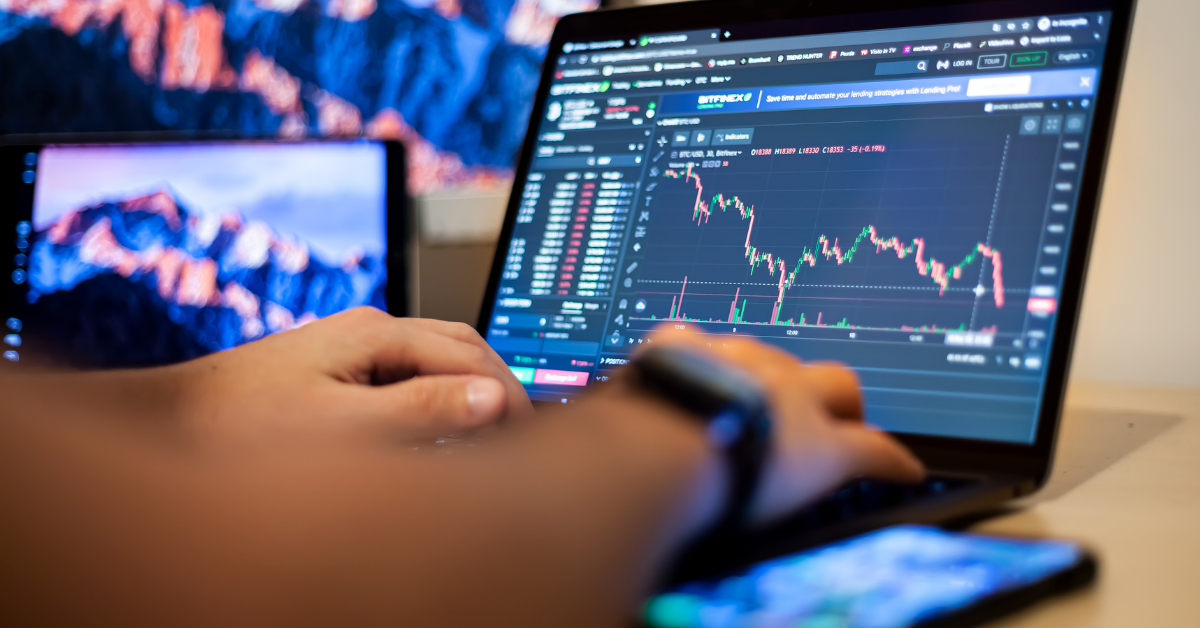
Entering the futures game is exciting, particularly for newcomers. The markets are whipping by at light speed, leverage multiplied gains and losses, and bad decisions cost hard cash. For rookie traders in a prop shop setting, learning about rookie futures trading and sound risk management isn't a choice it's necessary. Prop trading is the employment of the firm's money with regulations, supervision, and expectations, which increases opportunity and risk. This article dismantles the most crucial risk management principles, particularly under volatile times such as Nasdaq futures trading sessions.
Understanding Leverage and Margin
Futures trading enables high leverage low margins versus large positions. This is a multiplier of profit opportunity and the magnitude of losses. New traders need to get margin mechanics: initial margin, maintenance margin, and mark-to-market adjustments. Leverage in prop shops is usually restricted by firm policy, and margin use is regulated tightly. More critical than risk management for individual trades is managing total portfolio exposure, particularly with multiple positions and correlated products.
The Impact of Market Conditions
Market conditions are important. Volatility and liquidity vary throughout the day, and not every hour of trading is equal. While futures are traded almost 24/5, the most active and liquid times overlap with Nasdaq futures trading times, particularly when they overlap with U.S. stock market hours. These windows offer opportunity and risk high liquidity but greater volatility too. Thin after-hours exposes you to wider spreads, slippage, and terrible fills. Your timing of the trade limits the risk.
Position Sizing and Capital Allocation
Position sizing is an easy line of defense. Novices should never risk more than 1–2% capital on a trade. This avoids blowups on losing streaks. Prop firms usually impose maximum risk per trade and overall position limits. Watch out for contract tick values some move aggressively even for one contract. Capital partitioning needs to include margin requirements and trading commissions.
Stop Losses and Take Profit Targets
There should be a stop loss and take profit clearly established in each trade. It rules out emotional trades and sets limits. The minimum requirement is to employ a risk/reward of 1:2 or 1:3. During volatile times such as Nasdaq futures sessions, larger stops may be employed, but the philosophy is the same. Trailing stops are employed by some for securing profit as trades progress well.
Handling Drawdowns Wisely
Drawdowns do happen. It's your reaction that matters. Establish draconian drawdown boundaries (daily, weekly, monthly) i.e., stop buying and selling on a 5% per day drawdown. In prop houses, surviving drawdowns will either pause or end your right to trade. Never "revenge trade." Review your plan, take a break, and then do it again.
Managing Correlation Risk
Correlation risk is typically lowballed. Most futures will contract in sync, particularly in related markets. Locking up many long positions in related products enhances your risk. During volatile periods such as Nasdaq futures trading hours, this risk can be amplified due to increased market activity. Diversify across asset classes and keep an eye on your overall exposure to avoid taking a beating from all directions in one market move.
Execution Risk and Order Types
Execution risk consists of slippage, gaps, and order lag, particularly in volatile market conditions or during news announcement times. Nasdaq futures provide good liquidity at active times, but volatility will cause slippage on the open or close. Use limit orders to control entry price, and do not enter at near price extremes if you are inexperienced with the risks.
Avoiding Overtrading
One of the biggest underutilized dangers is overtrading. Newer traders are under pressure to be in the market constantly. This causes fatigue and poor choices. Prop firms typically limit trade or loss to prevent this type of behavior. Wait for high-probability trades that fit your plan. Build filters on good trades and adhere to them.
Using Technology to Monitor Risk
Use technology to monitor for risk. The majority of platforms provide equity drop alerts, margin utilization alerts, or correlated exposure alerts. Use tools such as ATR (average true range), volume filters, and liquidity screens to assist with position sizing and adding stops. Heavy-volume trading sessions such as Nasdaq trading hours call for real-time monitoring.
Building and Reviewing a Trading Plan
A solid trading plan is important. It should include entry/exit guidelines, risk per trade, maximum number of positions, acceptable drawdowns, and trading hours. Keep track of every trade, why, and your emotional state in a trading journal. Go through it periodically to understand what went wrong and how your risk management can be improved.
Scaling with Caution
When you do become disciplined, you will probably want to scale up. But do it incrementally. Don't add size on emotion only when your system reports success consistently with little drawdown. Nasdaq futures have uneven volatility from session to session, so adjust position size accordingly. Prop firms generally only permit scaling after evidence of discipline.
Stress Testing Your Strategy
Stress test your setups. What if the market is 3% against you, or gaps open up overnight? Can your account recover back-to-back losses? Have clear rules for getting out. Risk planning isn't about stop losses it's about thinking worst-case.
Preparing for Operational Risks
Operational risks platform crashes, feed outages, connectivity breakdowns are in the game. Have a plan if you get locked out in a trade. Have standbys prepared: alternative connections, backup platforms, and pre-negotiated orders. And be aware of contract details expiry dates, rollover procedures, settlement rules, and tick sizes. They can affect risk on or around expiry dates.
Psychological and Emotional Risk
Your mental resilience is just as important. If 2% loss is psychologically unacceptable, decrease your trade size. Focus on small, steady wins. Don't trade when tired, angry, or arrogant. Honor your limitations and exit when the time is right.
External News and Events
External events economic releases, geopolitical news, regulatory reports will shake up futures markets. Never roll big positions into important releases unless that is your strategy. Futures respond worldwide, and so what transpires in some part of the world overnight may affect your trades.
Mastering Nasdaq Futures Trading Hours
Knowing Nasdaq futures trading hours puts you in a position of risk advantage. The best times of trading, with highest liquidity and volume, are when U.S. equities trade. Low-volume trading at late night or pre-market is the worst for new traders to be involved in. Prop firms limit trading to high-liquidity sessions due to this.
Sim-to-Live Transition: Start Small
When transitioning from simulated to live trading, reduce size and maintain the same rules. Real-world slippage, delays, and emotions can distort your results. Stick with your sim-tested system until you’ve proven yourself live.
Planning for Black Swans and Emergencies
Even a black swan can be piloted if you handle risk properly. Save some capital, avoid over-weighting, and always leave an emergency exit open. Where permitted by your firm, hedging techniques or offsetting positions can provide cover.
Money Management vs. Risk Management
Lastly, differentiate money management from risk management. One is your capital protection, the other its usage. Both must complement each other. Big capital and bad risk management equate to catastrophe. Balanced risk is the one with a potential to breed growth.
Final Thoughts: Risk is the Real Game
Generally speaking, risk management is the secret to trading particularly for prop firms' newcomers. In the context of futures trading for beginners, it's critical to trade when there is best liquidity (for example, Nasdaq sessions), size positions intelligently, use stops and targets, diversify, avoid emotional trades, and review your performance on a regular basis. With discipline and patience, you will develop the habits of long-term success.